By Michael Gallagher, Your Trusted Mortgage Advisor | NMLS# 240070 Buying a home with limited…
FHA Down Payment Assistance: How Buyers Combine Both
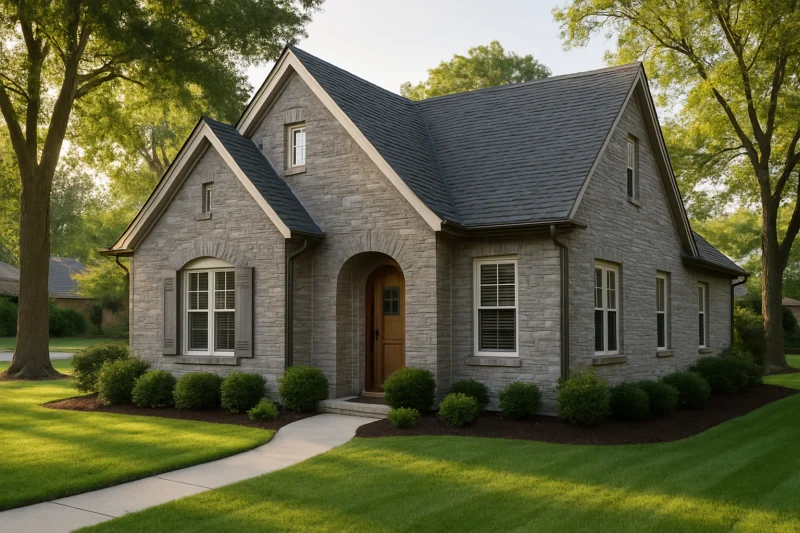
Saving enough for a down payment can be one of the biggest obstacles between a home buyer and a purchase.
FHA financing may be combined with an eligible down payment assistance program to help cover the minimum down payment and, in some cases, part of the closing costs.
In this guide, we at Michael Gallagher Mortgage (NMLS# 2343805) explain how the two programs work together, what buyers should expect, and how to prepare for the process in Greater Sacramento.
Key Takeaways
- How It Works: FHA provides the primary mortgage, while an approved assistance program supplies eligible funds for the down payment or closing costs.
- Minimum Down Payment: FHA financing generally requires at least 3.5% down, but an assistance program may cover some or all of that amount.
- Eligibility: Buyers must meet both FHA guidelines and the separate income, credit, occupancy, property, and education rules of the assistance program.
- Timeline: Assistance should be evaluated during pre-approval because program approval, education, and funding steps can affect closing.
- Best For: This combination may help qualified buyers who can manage a mortgage payment but want to reduce the cash needed at closing.
Quick Answers About FHA and Down Payment Assistance
- Does an FHA loan automatically include down payment assistance? No. FHA financing and down payment assistance are separate programs that must be approved and coordinated.
- Must every applicant be a first-time home buyer? Not always. Some programs require first-time buyer status, while others also serve repeat buyers who meet their guidelines.
- Can assistance cover the full FHA down payment? It may, depending on the assistance amount, purchase price, program rules, and available funding.
- Will assistance increase the monthly payment? It depends. A repayable second mortgage can add a payment, while deferred or forgivable assistance may be structured differently.
How FHA Financing and Down Payment Assistance Work Together
An FHA home loan is a mortgage made by an approved lender and insured by the Federal Housing Administration. FHA financing is commonly considered by buyers who need a lower down payment or more flexible qualifying guidelines than some conventional programs provide.
Down payment assistance, often called DPA, is funding provided by a separate government agency, housing organization, employer, or other eligible source. Depending on the program, the funds may be offered as a grant, forgivable loan, deferred-payment loan, or repayable second mortgage.
The two pieces must fit together:
- The primary FHA mortgage must satisfy current FHA guidelines.
- The assistance provider must permit its funds to be used with FHA financing.
- The lender must participate in or approve the selected assistance program.
- The buyer, property, and transaction must meet both sets of rules.
- The assistance must be properly disclosed, documented, and delivered for closing.
This is why early planning matters. Finding an assistance program online does not necessarily mean it will work with a particular lender, property, purchase contract, or FHA loan.
What Types of Down Payment Assistance Are Available?
Assistance programs do not all provide money on the same terms. Buyers should look beyond the advertised amount and understand how the funds could affect future payments, equity, refinancing, or a sale.
| Assistance Type | How It Commonly Works | What to Review |
|---|---|---|
| Grant | Eligible funds generally do not require repayment if all program conditions are satisfied. | Occupancy rules, ongoing conditions, funding availability, and possible tax considerations. |
| Forgivable Loan | The balance may be forgiven over time if the buyer follows requirements such as occupying the home for a stated period. | What happens after an early sale, refinance, move, or transfer of ownership. |
| Deferred-Payment Loan | Monthly payments may not be required initially, but the balance generally becomes due after a triggering event. | Interest, maturity date, lien position, and payoff requirements. |
| Repayable Second Mortgage | The assistance is repaid through scheduled payments in addition to the primary mortgage. | The combined monthly payment, loan term, rate, and impact on debt-to-income qualification. |
Terms vary significantly. Buyers should review the assistance documents rather than assuming “free money” has no repayment or occupancy conditions.
Who May Qualify for FHA Down Payment Assistance?
FHA and assistance programs use separate qualification standards. A buyer can satisfy FHA guidelines but not qualify for a specific DPA program—or meet a DPA program’s income rules but not qualify for the primary mortgage.
FHA loan considerations
FHA underwriting commonly evaluates:
- Credit history and qualifying credit scores
- Stable, documentable income
- Employment or self-employment history
- Monthly debts and debt-to-income ratios
- Funds needed for closing and required reserves, if any
- Use of the property as a primary residence
- The property’s condition and FHA appraisal requirements
FHA generally allows a minimum down payment of 3.5% for borrowers who satisfy the applicable credit requirements. FHA mortgage insurance also applies and affects both the amount due at closing and the monthly housing expense.
Assistance program considerations
A DPA provider may add requirements involving:
- Household or qualifying income limits
- Purchase price limits
- Minimum credit standards
- Maximum debt-to-income ratios
- Home buyer education or counseling
- First-time home buyer status
- Property type and location
- Owner-occupancy periods
- Available program funds
“First-time home buyer” commonly means someone who has not owned a principal residence during a specified lookback period, but definitions vary by program. Exceptions may also apply, so buyers should verify the current written guidelines instead of relying on a general definition.
How We Help Buyers Prepare Step by Step
1. Review the complete financial picture
We begin by looking at income, employment, credit, monthly obligations, available savings, and the planned housing budget. For self-employed buyers, this may involve personal and business tax returns, year-to-date financial information, and other documentation required by the program.
The goal is not simply to identify an assistance amount. We also need to understand whether the combined mortgage structure supports a manageable purchase plan.
2. Compare compatible assistance options
We identify programs that may be compatible with FHA financing and the buyer’s intended location. Availability may differ among Sacramento, Roseville, Rocklin, Lincoln, Elk Grove, Folsom, Auburn, Placerville, and other California communities.
Some programs are statewide, while others are tied to a city, county, employer, or designated area. Funding and guidelines can change, so current availability must be confirmed.
3. Compare the total cost, not just cash at closing
A lower upfront cash requirement can be valuable, but it is only one part of the decision. We compare:
- The estimated primary mortgage payment
- Any payment required on the assistance loan
- FHA mortgage insurance
- Property taxes and homeowners insurance
- Homeowners association dues, when applicable
- Estimated closing costs and prepaid expenses
- Potential repayment obligations after a sale or refinance
Buyers may also compare FHA financing with other low down payment purchase options. A conventional loan, for example, can begin with 3% down for certain eligible borrowers, but qualification and mortgage insurance structures differ.
4. Complete required education early
Many assistance programs require an approved home buyer education course. Completing it early can help prevent a last-minute delay, but buyers should first confirm which course and provider the program accepts.
5. Coordinate the purchase contract and assistance approval
Once a buyer has an accepted offer, the lender typically updates the loan file with the property details, contract terms, appraisal, title information, and final assistance request. The assistance provider may have its own approval, reservation, document, and funding process.
The FHA mortgage and assistance funds must be coordinated for the same closing. Real estate agents, the lender, the assistance provider, and the settlement team need accurate timelines and documentation.
What Costs May Still Need to Be Paid?
Down payment assistance does not necessarily eliminate every upfront expense. Depending on the program and transaction, buyers may still need funds for:
- Earnest money deposits
- Inspections
- Appraisal-related costs
- Closing costs not covered by assistance
- Prepaid property taxes and homeowners insurance
- Required reserves
- Expenses related to moving, repairs, or homeownership
Seller or lender credits may sometimes help with eligible closing costs, subject to FHA rules and the purchase agreement. Credits generally cannot be used to give the buyer unrestricted cash back at closing.
Common Issues That Can Affect the Plan
Several details can change whether FHA financing and DPA work together:
- Income changes: A raise, job change, bonus, or updated business income may affect program eligibility.
- New debt: Financing a vehicle or opening credit can change the qualifying ratios.
- Property eligibility: Condominiums, manufactured homes, multi-unit properties, and homes needing repairs may face added requirements.
- Program funding: Assistance can be limited, paused, or changed without much notice.
- Closing deadlines: Education, appraisal, underwriting, assistance approval, and funding all need enough time.
- Repayment terms: A future refinance or sale may require the assistance balance to be repaid.
Buyers should avoid changing jobs, moving money without documentation, taking on new debt, or making large unexplained deposits during the process without first discussing the possible mortgage impact.
Plan Your FHA and Assistance Options Early
Down payment assistance can make a purchase more accessible, but choosing a program requires more than checking the available dollar amount. We help buyers compare eligibility rules, estimated payments, upfront costs, repayment terms, and the steps required to reach closing.
If you are considering a home in Greater Sacramento or another community we serve in California, we invite you to call, text, or email us. We can review your scenario, compare FHA and assistance options, and explain the next steps for pre-approval planning.
Michael Gallagher
Your Trusted Mortgage Advisor
NMLS# 240070
Frequently Asked Questions
Can FHA down payment assistance be used to buy a multi-unit property?
FHA financing may permit an eligible owner-occupied property with up to four units, but the assistance program may impose narrower property rules. Buyers must satisfy occupancy, appraisal, income, and program-specific requirements.
What happens if the FHA appraisal identifies required repairs?
Required repairs may need to be completed and verified before the loan can close. Down payment assistance does not waive FHA property standards, and repair financing or escrow options depend on current program and lender guidelines.
Can an FHA loan with assistance include a non-occupant co-borrower?
FHA guidelines may permit an eligible non-occupant co-borrower in certain transactions. However, an assistance program can apply different household, income, occupancy, or relationship rules that limit this option.
How can down payment assistance affect a future sale or refinance?
A sale or refinance may trigger repayment of a deferred, forgivable, or repayable assistance balance. Buyers should review the note, deed of trust, forgiveness schedule, and payoff rules before closing.
Can gift funds be combined with FHA down payment assistance?
Gift funds may often be combined with assistance when the donor, transfer, documentation, and use of funds meet FHA and DPA requirements. The lender must verify that the funds are an eligible gift rather than an undisclosed loan.
This is educational and not financial advice. Loan programs and guidelines can change. Talk with a licensed mortgage professional about your specific scenario.

About the Author
Michael Gallagher
Your Trusted Mortgage Advisor at Michael Gallagher Mortgage · NMLS #240070
I’ve dedicated over 20 years to helping individuals and families realize their homeownership dreams. From first-time buyers taking that exciting leap into the market to seasoned investors seeking to expand their portfolios, I’m here to provide support and expertise every step of the way.
Specializes in: Conventional, FHA, VA
Licensed in: CA
Related Posts