
Construction Home Loans in Greater Sacramento, CA
Building a home is a big step. Our construction home loans are designed to support you at every stage of this exciting journey.
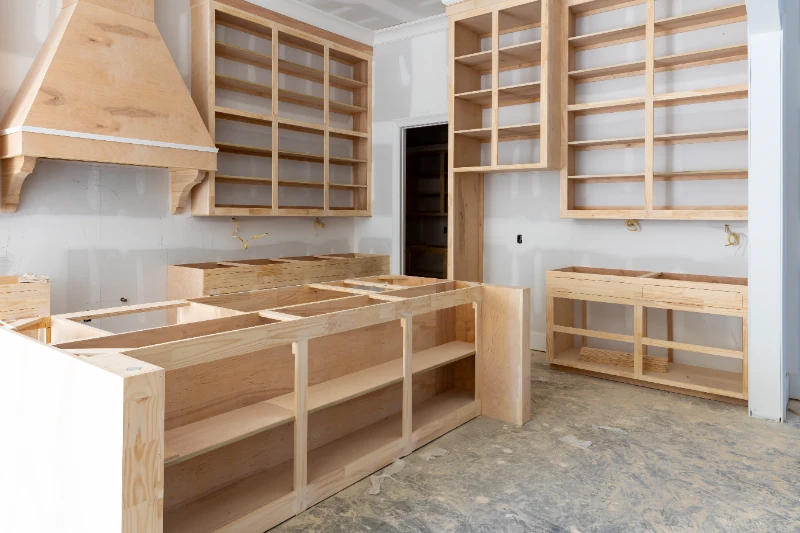
A construction home loan in Greater Sacramento, CA finances the land, labor, materials, and other approved costs needed to build a residence. At Answer Home Lending, we help borrowers understand draw schedules, builder requirements, underwriting, and the transition to permanent financing before construction begins. These loans involve more planning than a standard mortgage, but they can support custom homes and substantial rebuilding projects.
Key Takeaways
- Staged funding: Construction funds are released through scheduled draws rather than one lump-sum payment.
- Project review: The lender evaluates the borrower, builder, plans, budget, contract, and projected completed value.
- Builder approval: Most programs require an experienced, properly licensed, and insured general contractor.
- Two structures: Financing may use a one-time closing that converts to a mortgage or separate construction and permanent loans.
- Interest during construction: Borrowers commonly pay interest only on funds that have already been disbursed.
- Cash reserves: A contingency fund can help address change orders, overruns, and expenses excluded from the approved budget.
Construction Home Loan FAQ
Construction home loans combine borrower qualification with a detailed review of the proposed building project. Here are direct answers to questions we commonly hear from people planning a custom home.
- What is a construction home mortgage? It is financing used to pay approved building expenses as work progresses. Depending on the program, it may convert into long-term financing after the home is completed.
- Who may qualify for construction financing? Borrowers generally need documented income, acceptable credit, sufficient project equity, and funds for closing costs and reserves. Self-employed borrowers should expect a detailed review of personal and business finances.
- How are construction funds released? The builder requests draws after reaching agreed milestones, such as completing the foundation or framing. An inspection generally confirms completed work before funds are released.
- Can I build on land I already own? Yes, subject to program guidelines. Existing equity in the lot may count toward the required contribution, although liens, land value, and prior acquisition costs must be documented.
- Do I need a general contractor? Most construction home programs require an approved general contractor. Owner-builder financing is uncommon and usually has stricter experience, licensing, reserve, and oversight requirements.
- Is a construction loan available to veterans? VA-backed construction financing may be available, but participating lenders and qualified builders can be limited. Veterans can also review general VA loan eligibility requirements before comparing programs.
- How long does the process take? Loan review and closing often take longer than a standard purchase because plans, permits, budgets, and builder credentials must be evaluated. Construction itself may take several months or longer, depending on project complexity and permit timing.
- Can renovation work use the same financing? Some construction programs cover major reconstruction, while a smaller repair project may be better suited to a rehab loan. The appropriate structure depends on the scope, occupancy, and property condition.
How Construction Home Loans Work
A construction loan moves from financial qualification to project approval, staged funding, and final conversion or payoff. Understanding that sequence can help you coordinate the lender, builder, appraiser, inspector, and title company.
- Review your finances and project goal: We begin by discussing income, credit, available cash, land ownership, and the type of home you plan to build. This initial review helps establish a practical total budget before you commit to plans or a builder.
- Select the loan structure: A construction-to-permanent loan generally uses one closing and later converts into long-term financing. A two-close structure uses one loan for construction and a separate mortgage at completion, creating additional qualification and rate risk.
- Submit plans and builder documents: The lender typically needs architectural plans, specifications, a signed construction contract, a line-item budget, permits or permit status, and builder credentials. In our experience, vague allowances for cabinets, site work, or utility connections are frequent causes of review delays.
- Complete appraisal and underwriting: The appraiser estimates the home’s “as-completed” value using the plans, specifications, site, and comparable properties. Underwriting then reviews both your ability to repay and whether the project is adequately supported by the value and budget.
- Close and establish the draw account: At closing, required funds and eligible land equity are applied according to the approved structure. Construction money is held in a controlled account instead of being delivered directly to you in full.
- Request draws and verify progress: The builder submits requests based on completed work, and inspections confirm progress before each disbursement. What we typically see is five or more draws, although the actual schedule depends on the lender, contract, and project.
- Finish the home and enter permanent financing: Final items may include a certificate of occupancy, lien waivers, completion inspection, title update, and evidence of homeowners insurance. A one-time-close loan may then modify or convert, while a two-close loan requires a new permanent mortgage closing.
Who Should Consider Construction Financing?
Construction financing may be a good fit when an existing home does not meet your needs and you have a well-defined building plan. It often works well for borrowers purchasing a buildable lot, homeowners replacing an older structure, and families creating an accessible or multigenerational residence. First-time buyers can be considered, while veterans may compare construction financing with a standard VA purchase loan for a completed property.
Borrowers seeking predictable costs or a quick move-in should carefully consider alternatives. Building involves permits, inspections, change orders, contractor coordination, and possible completion delays. A completed home financed with a conventional mortgage or an FHA home loan may involve fewer project-related risks, while self-employed borrowers should determine early whether their tax-return income supports the requested construction amount.
Construction Loan Costs and Expectations
Construction home loans generally involve more third-party services, more documentation, and more timing variables than standard purchase mortgages. Costs may include an appraisal based on completed value, title charges, lender fees, inspections, draw administration, surveys, plan review, permit expenses, builder’s risk insurance, and permanent-loan closing costs. One-time-close financing may reduce duplicate charges, but available terms depend on the program and borrower profile.
Required down payments commonly exceed those of low-down-payment purchase programs, although land equity may reduce the cash needed at closing. As a specific example, if an approved $600,000 construction budget includes a 10% contingency, approximately $60,000 is reserved for eligible overruns; that reserve does not automatically mean every change order will be financed.
Rates during construction are often higher than rates for completed homes because the property does not yet provide finished collateral. You should also plan for interest payments on disbursed funds, possible extension charges if the project exceeds its construction term, and cash for non-financed upgrades.
| Feature | Construction Home Loan | Completed-Home Mortgage |
|---|---|---|
| Funding | Released through inspected draws | Disbursed at purchase closing |
| Value Used | Projected completed value | Current property value |
| Payments | Often interest on disbursed funds during construction | Regular principal and interest payments |
| Upfront Contribution | Varies by program, land equity, and risk profile | May include lower-down-payment choices |
| Closing Timeline | Longer due to builder and project review | Usually shorter with a completed property |
| Primary Trade-Off | Customization with added complexity | Greater cost and timeline certainty |
Common Construction Loan Mistakes to Avoid
Most construction financing problems begin with an incomplete budget, an unsuitable builder, or changes made without lender approval. Careful preparation protects both your financing timeline and your relationship with the contractor.
- Leaving out site-development costs: Grading, utility trenching, septic work, drainage, retaining walls, and driveway construction can materially change the budget. A low building estimate may not reflect what it takes to make the lot usable.
- Hiring a builder before confirming eligibility: A contractor may do excellent work but still lack the licensing, insurance, financial history, or construction-loan experience required by the program. Ask about builder approval before paying a large nonrefundable deposit.
- Making undocumented change orders: For example, replacing a $20,000 cabinet allowance with a $35,000 selection after framing may require proof that you can cover the $15,000 difference. The lender may not increase the loan merely because the upgrade raises your contract price.
- Using contingency funds as an upgrade budget: Contingencies are generally intended for eligible unforeseen costs, not automatically for pools, premium appliances, or design changes. Confirm how unused and requested contingency funds are handled.
- Ignoring the completion deadline: Weather, subcontractor availability, and permitting can push a project beyond its loan term. Review extension procedures and possible fees before closing rather than assuming an extension will be granted.
- Changing employment or credit obligations: Financing a vehicle, increasing card balances, or changing how self-employment income is paid can affect final qualification. Some programs reverify credit, assets, employment, or income before conversion.
Local Considerations for Greater Sacramento, CA
Construction planning in Greater Sacramento, CA should reflect the specific lot, jurisdiction, insurance environment, and surrounding property values. In established areas such as East Sacramento and Land Park, narrow lots, demolition restrictions, tree requirements, and neighborhood design can shape the project. Larger parcels around Loomis, Granite Bay, and El Dorado Hills may introduce wells, septic systems, slopes, fire-hardening standards, or costly utility connections.
State government employees, healthcare professionals, and self-employed contractors make up important parts of the regional economy, and each income profile may require different documentation. In our experience, permit timing also varies among Sacramento County, Placer County, El Dorado County, and incorporated cities, so the contract should allow enough time for local review rather than relying solely on the builder’s estimated start date.
Let’s Talk About Your Construction Plans
We can help you evaluate the financing structure, documentation, and trade-offs before you begin building. Bring us your preliminary budget, lot information, builder proposal, and income questions so we can discuss what may be available for your situation. Get started with Answer Home Lending (NMLS #2343805) today by requesting a conversation through our Get Started page.
This is educational content and not financial advice. Loan programs and guidelines can change. Talk with a licensed mortgage professional about your specific scenario.