
USDA Loans in Greater Sacramento, CA
Buying a home with little or no down payment can provide opportunities for buyers that otherwise may not be able to become homeowners.
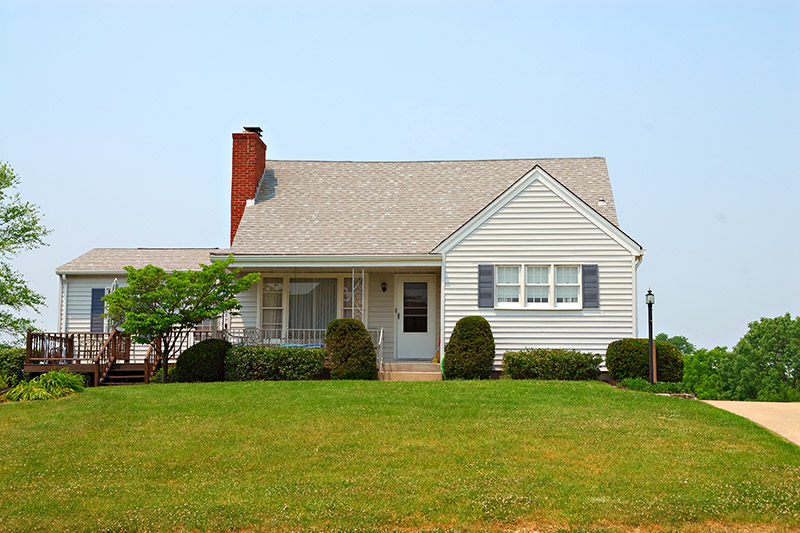
A USDA loan in Greater Sacramento, CA is a government-backed mortgage that may allow an eligible buyer to purchase a qualifying primary residence with no down payment. At Answer Home Lending, we help local buyers evaluate USDA property maps, household income limits, credit requirements, and closing costs before they make an offer.
Key Takeaways
- Zero Down Payment: USDA loans can finance 100% of the purchase price when the borrower, property, and transaction meet program guidelines.
- Location Restrictions: The home must be inside a USDA-eligible area, which should be verified for the specific street address.
- Household Income Limits: USDA eligibility considers income from qualifying household members, even when someone is not applying for the mortgage.
- Primary Residence: A USDA mortgage cannot generally be used to purchase an investment property, vacation home, or income-producing farm.
- Property Standards: The home must be residential, safe, structurally sound, and able to meet USDA appraisal requirements.
- Program Fees: USDA financing includes an upfront guarantee fee and an annual fee based on current 2026 program guidelines.
- Alternative Programs: FHA, VA, and conventional financing may be worth considering when USDA location or income rules do not work.
Common Questions About USDA Loans
USDA loans combine zero-down financing with specific borrower, household, and property eligibility rules. These answers address the questions we most often hear from buyers comparing mortgage programs.
- What is a USDA loan? It is a mortgage guaranteed by the U.S. Department of Agriculture’s Rural Development program. USDA guaranteed loans are issued by approved private lenders for eligible primary residences.
- Who may qualify for USDA financing? Applicants generally need stable qualifying income, acceptable credit, manageable debts, and household income within the current limit for the property’s county and household size. The home must also be in an eligible area.
- How much down payment is required? Eligible USDA transactions generally require 0% down, although you still need a plan for closing costs, prepaid property taxes, homeowners insurance, inspections, and any required reserves.
- Can I use USDA financing as a first-time buyer? Yes. You do not have to be a first-time buyer, but the program often works well for buyers with limited down-payment savings; our first-time home buyer resources explain additional considerations.
- Do I need a 640 credit score? USDA does not impose one universal score for every guaranteed-loan approval, but lenders may have credit overlays and automated underwriting standards. Files with lower scores or limited credit histories may require additional documentation and manual review.
- Is every rural property eligible? No. Both the address and the property itself must qualify, and acreage, commercial activity, repair issues, or income-producing features can affect eligibility.
- How long does a USDA mortgage take to close? Timing depends on appraisal access, underwriting, documentation, and USDA review capacity. A transaction may take longer than conventional financing because it includes lender underwriting and an additional USDA eligibility step.
- Can veterans choose USDA instead of VA financing? Yes, but eligible service members should compare it with a VA home loan, which also may provide zero-down financing without USDA geographic or household-income restrictions.
How USDA Loans Work
A USDA purchase moves through borrower qualification, property verification, lender underwriting, and USDA review. Checking eligibility early can reduce the risk of discovering a program conflict after you are under contract.
- Review Your Household and Finances: We begin with your income, employment, credit, assets, debts, and estimated housing payment. We also identify household members whose income may count toward USDA eligibility, even if they will not be borrowers.
- Check Current Income Limits: USDA income limits vary by county and household size and can change over time. We compare the household’s adjusted income with the current 2026 limit while separately calculating the dependable income available to repay the loan.
- Confirm the Property Address: USDA eligibility is determined by the current online property map, not simply by whether a community looks rural. We recommend checking an exact address before writing an offer because eligibility boundaries can divide nearby streets or developments.
- Complete the Application: You provide identification, bank statements, income records, employment history, and other requested documents. Self-employed applicants commonly need personal and business tax returns, year-to-date financial information, and documentation explaining the stability of business income.
- Order the Appraisal and Underwrite the File: The appraisal evaluates market value and USDA property standards. The lender also verifies funds, debts, employment, insurance, title, and other conditions, while repair concerns may need to be resolved before closing.
- Obtain USDA Review and Close: After lender approval, the file proceeds through the required USDA process. Once all conditions are cleared and final disclosures are delivered, you sign the loan documents, provide any required cash to close, and complete the purchase.
When USDA Loans May Make Sense
USDA financing may be a good fit for a buyer purchasing an eligible primary home who has dependable income but limited down-payment savings. First-time and repeat buyers can use the program, and veterans may compare it with VA financing. In our experience, USDA often receives attention from households willing to search beyond Sacramento’s dense urban core, particularly when preserving savings for moving expenses or home maintenance is important.
Other mortgage programs may be more appropriate when the property is ineligible, household income exceeds current limits, or the home needs substantial repairs. An FHA home loan may offer broader geographic flexibility, while conventional financing may work for second homes, investment properties, or higher-income households. Self-employed buyers whose taxable income does not support the requested payment may also explore a Bank Statement Program, although it uses different pricing and down-payment guidelines.
USDA Mortgage Costs, Fees, and Expectations
A zero-down USDA loan still includes closing costs, prepaid expenses, and program fees. Common expenses include lender and title charges, appraisal and inspection fees, escrow funding, homeowners insurance, recording charges, and prepaid interest. USDA also applies an upfront guarantee fee and an annual fee under current 2026 guidelines; the upfront fee can often be financed when the transaction meets program requirements.
For example, if closing costs and prepaid expenses on a $450,000 purchase total approximately 3%, the buyer would need about $13,500 unless seller credits, lender credits, or another permitted source covers part of that amount. Actual costs vary, and seller contributions remain subject to the contract, appraised value, and USDA rules.
USDA interest rates are often competitive with other government-backed mortgages, but the available rate depends on market conditions and your complete application. What we typically see is a slightly longer timeline when appraisal repairs, household-income questions, or USDA review conditions arise, so the purchase contract should provide a realistic closing period.
| Feature | USDA Loan | FHA Loan | Conventional Loan |
|---|---|---|---|
| Minimum Down Payment | Generally 0% | Generally 3.5% | Varies by program |
| Property Location | USDA-eligible areas only | No USDA map restriction | No USDA map restriction |
| Income Limits | Household limits apply | No program income cap | Usually no program income cap |
| Mortgage-Related Fee | Upfront and annual USDA fees | Upfront and annual mortgage insurance | PMI may apply with lower equity |
| Permitted Occupancy | Primary residence | Primary residence | Depends on the program |
Buyers who do not meet USDA requirements can review other low down payment purchase options before deciding how to structure an offer.
USDA Program Mistakes to Avoid
The most common USDA problems come from assuming that zero down means no restrictions or no cash needed. Early documentation and address-level research can prevent avoidable underwriting delays.
- Relying on a City Name: A mailing address can sound rural while falling outside the eligible map, or the reverse can be true. Confirm the complete address rather than relying on a listing agent’s description.
- Leaving Out Household Income: A non-borrowing adult’s wages may count toward the income limit even though that income is not used to repay the loan. For example, an adult child who works full time and lives in the home could affect eligibility.
- Moving Money Without Documentation: A $10,000 cash deposit shortly before underwriting may be difficult to source and may not be usable. Keep records for gifts, account transfers, asset sales, and other large deposits.
- Assuming Every Property Condition Is Acceptable: Peeling paint, an unsafe deck, roof concerns, or an inoperable heating system can trigger appraisal conditions. A heavily distressed property may require a renovation-focused program instead.
- Changing Employment or Taking on Debt: Financing a vehicle or opening a credit account before closing can change your debt-to-income ratio. A job change can also require updated income analysis, especially for commission-based or self-employed applicants.
- Budgeting Only for the Mortgage Payment: Property taxes, insurance, utilities, maintenance, and possible well or septic expenses affect affordability. We encourage buyers to evaluate the complete monthly and long-term ownership cost.
Local Considerations for Greater Sacramento, CA
USDA availability generally becomes more relevant as buyers search beyond Sacramento’s urbanized center, but every property must be checked individually. Areas around Galt, Wilton, Lincoln, and the outskirts of Placerville may include addresses worth researching, although nearby subdivisions can have different map results. Greater Sacramento, CA also includes state-government employees, healthcare workers, agricultural households, and self-employed contractors whose pay structures require careful income documentation.
Local properties may include manufactured homes, acreage, private wells, septic systems, wildfire-risk locations, or agricultural improvements. These features can affect appraisal review, insurance availability, water testing, and eligibility, so we typically investigate them before the appraisal is ordered rather than waiting for underwriting to raise questions.
Let’s Talk About Your USDA Loan
We can help you compare USDA financing with FHA, VA, and conventional choices based on your income, target property, and available funds. Get started with Answer Home Lending (NMLS #2343805) today by using our Get Started form, and we will help you review whether a USDA mortgage may be appropriate for your home purchase.
This is educational content and not financial advice. Loan programs and guidelines can change. Talk with a licensed mortgage professional about your specific scenario.