
Rehab Loans in Greater Sacramento, CA
You may be able to purchase a home and roll the costs of the renovation into your loan.
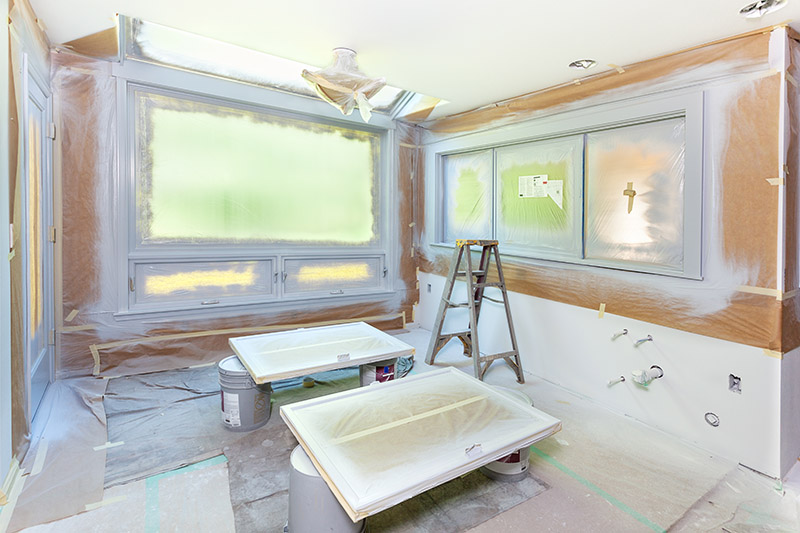
A rehab loan in Greater Sacramento, CA combines home financing and eligible renovation expenses within a single mortgage. At Answer Home Lending, we help first-time buyers, veterans, self-employed borrowers, and other homebuyers evaluate renovation financing for properties that need repairs, modernization, or accessibility improvements.
Key Takeaways
- Combined Financing: A rehab mortgage can finance the home purchase and approved renovation work through one loan.
- Program Choices: FHA, conventional, and certain VA renovation programs have different eligibility, occupancy, and repair requirements.
- Future Value: The appraisal generally considers the property’s estimated value after the proposed improvements are completed.
- Controlled Disbursements: Renovation money is usually held in an escrow account and released through scheduled draws.
- Contractor Requirements: Most programs require detailed bids and qualified contractors rather than informal repair estimates.
- Longer Timeline: A rehab loan typically requires more planning and documentation than financing a move-in-ready property.
Common Questions About Rehab Loans
Rehab loans are designed to finance an eligible property and its approved improvements through a coordinated mortgage process. The specific rules depend on the loan program, property condition, occupancy, and scope of work.
- What is a rehab mortgage? It is a mortgage that includes funds for purchasing or refinancing a home and completing approved repairs. The renovation portion is generally placed in escrow rather than given to the borrower as unrestricted cash.
- Who may qualify for a rehab loan? Eligibility depends on credit, income, assets, debt obligations, occupancy, and the proposed project. Self-employed borrowers may qualify when their income can be documented under the selected program’s guidelines.
- How is the maximum mortgage determined? The calculation generally considers the acquisition cost, documented renovation budget, current program limits, and appraised after-improved value. The exact formula varies between conventional and government-backed programs.
- Can I use an FHA loan to renovate a home? An FHA 203(k) mortgage may allow eligible owner-occupants to finance repairs with a 3.5% minimum down payment, subject to FHA requirements. Our FHA home loan resource explains the broader FHA program.
- Do I need a licensed contractor? Most substantial projects require an appropriately licensed and insured contractor who can provide a detailed estimate. Do-it-yourself work is restricted or unavailable under many rehab programs.
- How long does closing take? A well-prepared rehab loan often takes approximately 45 to 60 days, but complex plans, appraisal revisions, permits, or incomplete bids can extend that timeframe. We recommend building flexibility into your purchase contract.
- Is a rehab program available to veterans? Certain VA renovation structures may finance eligible improvements, sometimes with no down payment, but availability is more limited and lender requirements vary. Veterans should compare renovation financing with a standard VA home loan.
- Can investors use these mortgages? FHA 203(k) financing generally requires owner occupancy, while certain conventional or specialized products may permit investment properties. A substantial resale project may be more appropriately evaluated under a fix and flip home loan.
How Rehab Loans Work
A rehab loan moves from financial review to project approval, closing, construction draws, and final inspection. Careful planning before making an offer can reduce avoidable revisions later.
- Review Your Financial Profile: We examine your income, credit, assets, debts, and intended occupancy. For self-employed borrowers, this may include tax returns, business records, and other documentation required by the selected program.
- Define a Practical Purchase Budget: Your budget must account for the purchase price, renovation scope, down payment, closing costs, and possible reserves. What we typically see is that buyers focused only on the listing price can underestimate the cash needed for inspections, temporary housing, or non-financed items.
- Select a Property and Program: After identifying a home, we compare its condition with FHA, conventional, or available VA guidelines. Properties with severe safety, foundation, zoning, or title problems may need a different financing strategy.
- Obtain Detailed Contractor Bids: Contractors prepare itemized estimates covering labor, materials, permits, and completion times. Vague allowances such as “update kitchen” are generally insufficient because the appraiser and underwriter need a clearly defined scope.
- Complete the Appraisal and Underwriting: The appraiser reviews the plans and estimates an after-improved value based on the proposed work. Underwriting then evaluates you, the property, contractor documentation, and renovation budget under current 2026 guidelines.
- Close and Establish the Escrow: At closing, purchase funds are delivered through the settlement process while renovation money is placed in a controlled account. Contractors are paid in draws after documented milestones, inspections, and any required lien releases.
- Finish and Verify the Work: Renovations must be completed within the program’s permitted timeframe. A final inspection confirms that required work is complete before the remaining funds are released and the escrow is closed.
When a Rehab Mortgage May Make Sense
A rehab mortgage may be a good fit when you can see value in a home that needs work and are prepared to manage a structured renovation. It often works well for first-time buyers considering dated homes, veterans comparing renovation options, and owner-occupants who want to address roofing, plumbing, energy efficiency, accessibility, or interior updates. In our experience, borrowers have smoother projects when they choose a contractor early and leave room in both the budget and schedule for surprises.
Alternatives deserve consideration when the property is already habitable, the project is primarily new construction, or you need an unusually fast closing. A standard conventional, FHA, or VA mortgage may involve fewer project controls if repairs are minor and the home satisfies applicable property standards. Ground-up construction or extensive structural reconstruction may instead call for a construction home loan, while investors planning a quick resale may need short-term financing.
Rehab Loan Costs, Fees, and Expectations
Rehab loan costs generally include normal mortgage expenses plus charges associated with reviewing and administering the renovation. Depending on the program, these may include appraisal updates, title work, inspections, draw administration, consultant services, permits, mortgage insurance, and a contingency reserve.
FHA 203(k) financing permits a 3.5% minimum down payment for eligible borrowers, while conventional renovation programs may begin around 3% to 5% for certain owner-occupied transactions; actual requirements can be higher based on occupancy, property type, loan size, and underwriting. VA renovation financing may permit 0% down for eligible veterans when an available program and transaction meet VA requirements.
For example, suppose a home has a $500,000 purchase price and an approved $50,000 renovation budget. If the program requires a 10% repair contingency, $5,000 would be added, producing a renovation escrow of roughly $55,000 before any eligible inspection, title, or consultant charges; the final mortgage calculation remains subject to the appraisal and program rules.
| Feature | Rehab Mortgage | Standard Purchase Mortgage |
|---|---|---|
| Purpose | Finances an eligible home and approved repairs | Finances a home in acceptable current condition |
| Down Payment | May start at 3.5% for FHA or around 3%–5% for certain conventional options | Varies by conventional, FHA, or VA program |
| Interest Rate | May be higher due to renovation administration and risk | May offer more favorable pricing for a move-in-ready property |
| Additional Fees | May include draw, inspection, consultant, and escrow charges | Usually excludes renovation-administration charges |
| Typical Timing | Often approximately 45–60 days or longer | Often requires fewer pre-closing project reviews |
| Repair Funds | Held in escrow and released after verified progress | Not ordinarily included in the mortgage |
Rates should be compared using the annual percentage rate, mortgage insurance, total cash needed, and long-term cost—not only the note rate. A lower down payment can preserve cash, but mortgage insurance and financed renovation expenses may increase the total monthly payment.
Common Rehab Loan Mistakes to Avoid
The most common rehab loan problems come from incomplete bids, unrealistic schedules, and misunderstanding how renovation funds are released. Addressing these issues before underwriting can protect your contract timeline and project budget.
- Making an Offer Before Reviewing Property Condition: A low listing price does not necessarily make a project financeable. Major foundation movement, illegal additions, or extensive fire damage can trigger engineering, permitting, appraisal, or program concerns.
- Submitting a Vague Contractor Estimate: A one-page bid without labor, materials, permit costs, and specifications commonly leads to underwriting conditions. Ask for an itemized scope that matches the improvements presented to the appraiser.
- Expecting Renovation Cash at Closing: Draw funds are normally controlled by the lender and released after work is completed and inspected. For example, a contractor demanding 50% of a $60,000 project before starting may not align with the program’s draw schedule, even if that deposit is customary for the contractor.
- Ignoring Contingency and Cash Reserves: Opening walls can reveal outdated wiring, dry rot, or plumbing damage that was not visible during the inspection. A contingency reserve helps address eligible surprises, but you may still need personal funds for upgrades outside the approved scope.
- Changing Plans Mid-Project: Switching materials, moving walls, or adding rooms can affect permits, value, and the approved budget. Changes should be reviewed before work proceeds because unauthorized modifications may not be reimbursed.
- Assuming Every Contractor Is Eligible: A skilled contractor may still lack required licensing, insurance, financial capacity, or documentation. Confirm program requirements before relying on a bid or paying a nonrefundable deposit.
Local Considerations in Greater Sacramento, CA
Rehab loans in Greater Sacramento, CA are often used for older housing stock, but the project plan must reflect the property’s jurisdiction, age, and neighborhood values. East Sacramento and Land Park contain many older homes where electrical panels, sewer lines, roofs, foundations, or historic features can expand an initial scope, while Oak Park and Citrus Heights may offer different lot sizes, construction eras, and comparable-sale patterns.
State government employment and major healthcare employers such as UC Davis Health, Sutter Health, and Kaiser Permanente contribute to a varied local buyer base, including salaried and self-employed households. Permitting procedures differ between the City of Sacramento and surrounding county jurisdictions, and additions or accessory dwelling units may require zoning, utility, and plan review beyond ordinary cosmetic remodeling.
Let’s Discuss Your Rehab Loan
We can help you compare renovation programs, estimate the cash required, and identify questions to ask before you commit to a property or contractor. Get started with Answer Home Lending today (NMLS #2343805) by using our Get Started form, and we will discuss which options may be appropriate for your goals in Greater Sacramento, CA.
This is educational content and not financial advice. Loan programs and guidelines can change. Talk with a licensed mortgage professional about your specific scenario.